Strong leaders do not appear by accident. They are shaped through deliberate practice, thoughtful feedback, and real responsibility. In fast-moving workplaces, leadership development is the difference between teams that react and teams that adapt. This article unpacks...
A great staff party is more than music and mocktails. It’s a strategic moment to recognise effort, deepen relationships, and give teams the mental reset they need before the next big push. Done well, it strengthens culture and retention; done poorly, it becomes a tale...
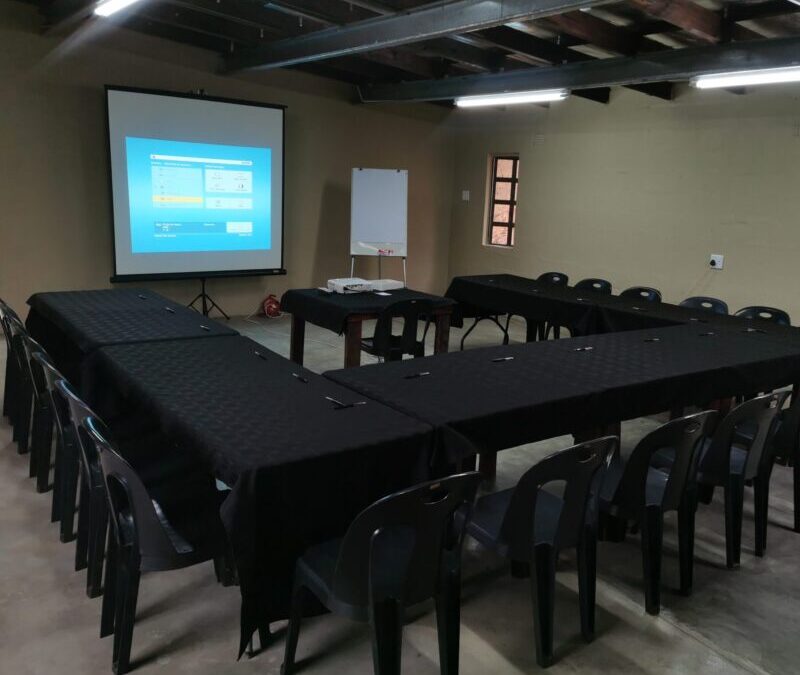
If you’ve ever tried to host a meeting in a space that sounded like a train station and felt like a sauna, you already know: the venue can make or break your event. Choosing the right conference facilities isn’t just a logistics exercise, it’s a strategic decision...
When meetings drag and Slack threads stretch for pages, it’s a sign your team might need a reset that no slide deck can deliver. Outdoor team building does exactly that—swapping fluorescent lights for fresh air and turning colleagues into collaborators through shared...
When energy dips and small frustrations start snowballing, productivity isn’t the only thing that suffers—so does culture, customer experience, and retention. The good news: morale isn’t a mystery. With a handful of proven practices and a little consistency, any...
After twelve months of deadlines, deliverables, and daily stand-ups, teams need more than a “well done” in Slack. They need a moment to exhale together, celebrate wins, and reconnect as humans. That’s the purpose of an end of year function (or year end function): a...